Before explaining the symptoms, causes and diagnosis of brain tumors, it is convenient to define what is a brain tumorWe often read news, magazines, articles, and much more about brain tumors, but rarely do we get a definition of them.
When we talk about tumor cerebral, we refer to a group of abnormal cells that develop in and/or around the brain.
There are different types of brain tumors, some are benign (not cancerous) and others are malignant (cancerous)The tumor's growth rate and location will determine its effects and treatment.
Brain tumor symptoms
We can classify the symptoms of brain tumors as follows:
- Emotional: personality changes, irritability, alteration in the patient's usual behavior.
- Cognitive: memory loss, disorientation, impaired level of consciousness, language disorders, difficulty coordinating movements.
- Physicists: Headache, vomiting, dizziness, nausea, loss of vision, loss of smell, facial paralysis on one side of the face, vertigo problems.
We must keep in mind that these are general symptoms and may be similar to other medical problems. Therefore, it's best to see a doctor for a diagnosis and advice on the appropriate treatment.
Discovery
In general, when diagnosing a brain tumor, the most common tests and procedures to follow are:
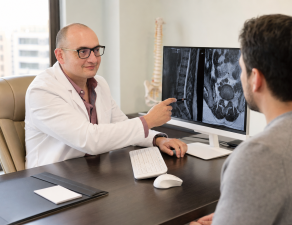
- A neurological examinationThe patient's vision, hearing, coordination, balance, strength, reflexes, and other skills will be studied and analyzed.
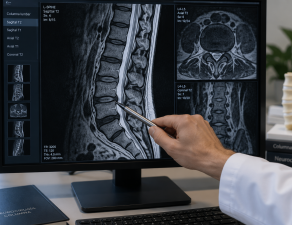
- Brain MRIIt is one of the most useful tests for identifying a brain tumor. It provides information about the exact location, size, areas of brain function, and neuronal fibers.
- Cranial computed tomography (CT). Identify brain injury as bleeding or swelling.
- Tests to identify cancer or tumors in other parts of the body that may be the cause of a brain tumor. An example might be performing a chest X-ray to locate a lung tumor.
- Biopsy to obtain a sample of the abnormal tissue.
Brain tumor treatment
When choosing one treatment or another, factors such as the patient's health, tumor size, location, and type will influence the decision.
On Doctor Mosqueira Clinic We have advanced cutting-edge techniques for both diagnosis and patient treatment.
Among the treatment options we identify the following:
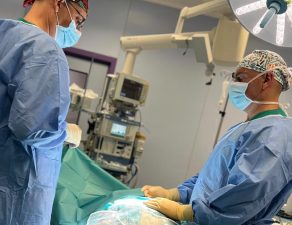
- Surgery. It involves removing the tumor or part of it without damaging the rest of the brain tissue. In cases where the tumor cannot be removed, surgery is performed to relieve pressure and reduce symptoms.
- It is performed to kill cancer cells using X-rays, gamma rays, or protons.
- Radiosurgery. It involves using multiple beams of radiation to kill cancer cells in a very small area.
- Medications are intended to kill these cancer cells. These medications can be taken orally or by injection.
- Targeted drug therapy. Certain drugs are used that target only cancer cells. This type of therapy is currently under study.
Finally, we must clarify that the treatments can be combined with each other and that they are not mutually exclusive.