Radiating pain, tingling, or loss of strength can be signs of a herniated disc and require a specialist evaluation.
A herniated disc is one of the most common spinal conditions and a frequent cause of lower back and neck pain, as well as nerve compression. Many people begin to experience progressive discomfort that eventually affects their mobility, sleep, or daily activities. Symptoms of a herniated disc appear when part of the intervertebral disc compresses one of the spinal nerves. The intensity and location of the symptoms depend on the affected area and the degree of nerve compression.
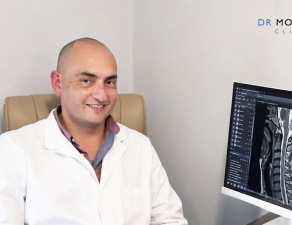
“Not all herniated discs produce symptoms. Symptoms appear when there is irritation or compression of the nerve, and this can manifest itself in very different ways in each patient.”"In some cases, the pain remains localized in the back, while in others it radiates to the arms or legs, accompanied by tingling, loss of sensation, or muscle weakness," explains Dr. Mosqueira.
Symptoms of lumbar and cervical disc herniation
A lumbar herniated disc affects the lower back and often causes symptoms related to compression of the sciatic nerve. One of the most common symptoms is lower back pain radiating down the leg, commonly known as sciatica. This pain can extend from the lower back to the buttocks, thigh, or even the foot. Other possible symptoms include tingling in the leg, numbness, weakness, and difficulty walking or sitting for extended periods. In some patients, the pain worsens when coughing, straining, or remaining in the same position for long periods.
When a herniated disc is located in the cervical region, symptoms usually affect the neck, shoulders, and arms. The patient may experience neck pain radiating down the arm, tingling in the hands, or loss of strength when performing certain movements. According to Dr. Mosqueira, "lNeurological symptoms, such as loss of strength or altered sensation, are signs that require specialized assessment to determine the origin of the compression.” In some cases, a feeling of instability or difficulty performing normal neck movements may also appear.
Diagnosis and assessment of symptoms
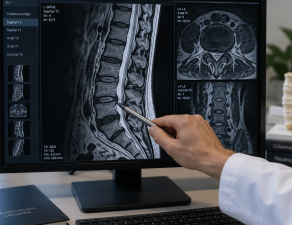
Not all back pain is related to a herniated disc. That's why a proper medical evaluation is essential to identify the exact cause of the symptoms. During the consultation, the progression of the pain is analyzed, a neurological examination is performed, and imaging tests, especially magnetic resonance imaging (MRI), are ordered, which allows visualization of the condition of the discs and any potential nerve compression.
An accurate diagnosis is key to determining the most appropriate treatment for each patient and assessing whether the problem can be treated conservatively or requires surgery. You can find more information about this process in our article on diagnosis of spinal problems.
When do you consult a spine specialist?
The symptoms of a herniated disc can progress gradually and increasingly affect quality of life. When pain persists, radiates to the extremities, or neurological symptoms such as weakness or numbness appear, it is important to seek a specialist evaluation. In many cases, early diagnosis allows for better control of the condition and more effective treatment.
The combination of experience in spinal surgery, accurate diagnosis, and individualized treatment is fundamental To help the patient regain mobility and quality of life, recognizing the symptoms of a herniated disc allows for early intervention and prevents nerve compression from progressing and further limiting quality of life. When the diagnosis is accurate and the treatment is properly tailored to each patient, it is possible to relieve pain, restore movement, and gradually return to normal daily activities.
The importance of identifying the symptoms of a herniated disc early and making an appropriate diagnosis has also been recognized by specialized media outlets such as ABC Healthhighlighting the evolution of current spinal surgery techniques
Frequently Asked Questions about Herniated Disc Symptoms
The most frequent symptom is lower back pain radiating down the leg, accompanied in some cases by tingling, loss of sensation or muscle weakness.
A cervical disc herniation usually causes neck pain that radiates to the shoulders or arms, as well as tingling or loss of strength in the hands.
No. Some herniated discs can be asymptomatic and only detected through imaging tests.
When the pain persists, limits daily activity, or appears accompanied by neurological symptoms.
Magnetic resonance imaging (MRI) is the most commonly used test to confirm the diagnosis and assess nerve compression. A physical examination in the doctor's office is also essential.