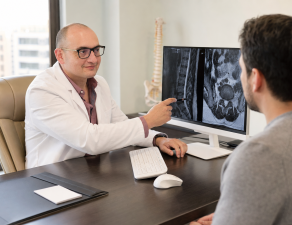
In this article, we'll learn all about this spinal condition that affects a large number of people, especially those that occur in the lower back. Around 60% to 80% of people have suffered from lower back pain at some point in their lives.
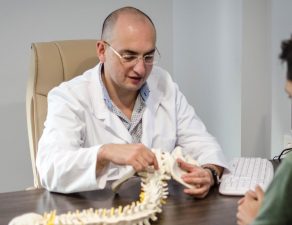
First of all, to understand what a herniated disc is, its causes, and its symptoms, we must understand how our spine works. The spine is the support of our body, it is formed by 33 vertebrae that house the spinal cord and nerve roots in their inner canal which target different areas of the body. The intervertebral discs are located between the vertebrae and contain cushioning that absorbs the stresses on the spine. Herniated discs can be cervical and lumbar., the latter being the most frequent.
This is a disease that affects the intervertebral disc. The herniated fragment suddenly compresses the nerve root, causing acute, highly disabling symptoms that prevent walking and cause significant pain, which may require hospitalization.
Causes of herniated disc
The most common cause of lumbar disc herniation is the aging of the spine. As we age, bones weaken, losing elasticity and flexibility, causing wear and tear. The spaces between the vertebrae narrow, and the discs tear. This process is called disc degeneration. Lumbar disc herniation is a condition that is becoming increasingly common in today's world.
Between 60% and 80% of people have suffered from lower back pain at some point in their lives. Over the years, its causes have been linked to activities that require physical effort. However, we can say that this trend is changing. Some of the general causes are:
- Suffering a fall, slip, traffic accident...
- Being overweight
- Carrying weights improperly
- Performing repetitive activities that strain the spine.
- Driving for many hours at a time every day
- Sedentary lifestyle
- Bad postures
- Visceral malfunction
- A bad diet
Symptoms of herniated disc
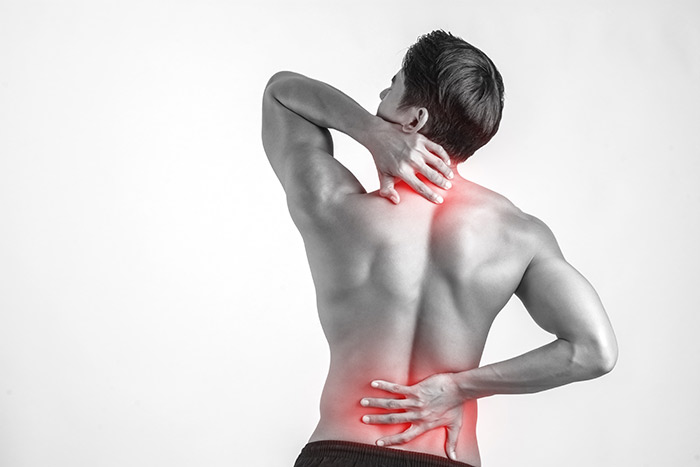
In most cases, lower back or neck pain is usually the main symptom. This in turn can cause neck and shoulder pain and numbness in the feet and hands. increase progressivelyIn general, the symptoms, depending on whether it is cervical or lumbar, tend to be the following:
- Loss of strength in the arms or legs.
- Pain in the neck or back of the legs or in the
- Tingling, tingling, or numbness
- Loss of sensitivity.
- Intense tightness and tension throughout the muscles in the arms or back of the thigh, and even the calf.
- Decreased strength in severe cases
The intensity of the pain alone does not determine the severity of a herniated disc or the need for intervention. To assess each case, the evolution of symptoms, strength, sensitivity, ability to walk, and the possible appearance of neurological disorders must be taken into account.
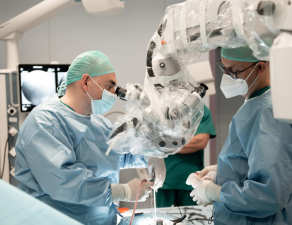
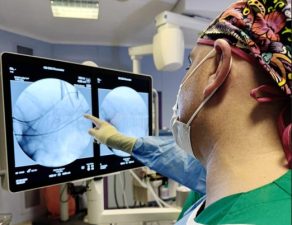
In mild cases, conservative treatment may be indicated initially. Surgery would be indicated for more severe cases. The most common in these cases is microdiscectomyThe power of minimally invasive microsurgery gives the patient the power to great benefits when undergoing surgery, such as rapid patient recovery and the non-use of plates or screws (except in strictly necessary cases).
At Dr. Mosqueira Clinic, we provide you with all the necessary resources. We always like to inform our patients and friends, and also help them in any way we can. If you or a loved one is suffering from the symptoms of a herniated disc, do not hesitate to contact us at 951 00 66 38We'll be happy to assist you with anything you need.