We are talking about a frequent complication after lumbar fusion surgery, in which plates and screws are placed, which should be known in time.
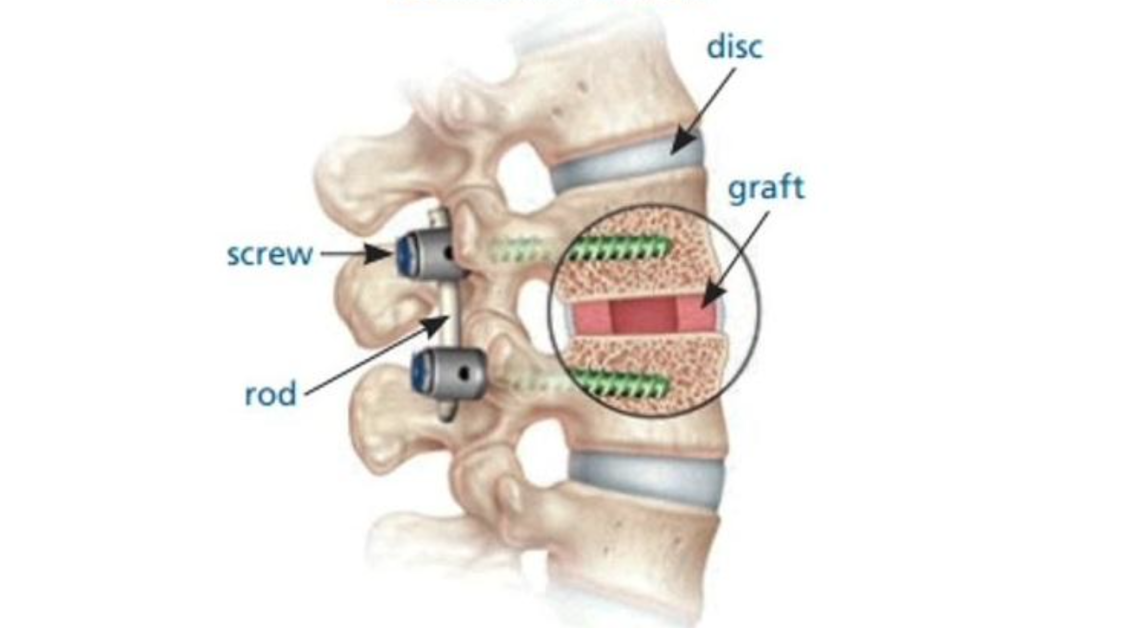
Adjacent level syndrome (ANS), also known as adjacent lumbar fusion disease, is a complication that can occur in some patients after undergoing spinal fusion surgery. Lumbar fusion refers to the fixation of vertebrae with plates and screws. Although this procedure is often performed to stabilize the spine and relieve debilitating pain, in some cases it can cause strain on the segments near the surgical site, accelerating their wear.
Understanding this condition and its symptoms is essential for making decisions, detecting the problem early, and improving patients' quality of life.
What is adjacent level syndrome?
It is called adjacent level syndrome. accelerated deterioration of discs and joints Located just above or below a lumbar fusion. Simply put, when a portion of the spine is surgically fixed with plates and screws, the surrounding segments have to bear more load and movement. This can lead to degeneration. This process doesn't always cause symptoms, but when it does, it can become a source of lower back pain, limited mobility, and sometimes the need for further surgery.
In this section, we'll discuss the common causes and symptoms after lumbar fusion. Not all patients develop adjacent level syndrome. When it occurs, it usually manifests as lower back pain that recurs or worsens after surgery; pain that may radiate to the buttocks or legs (similar to sciatica); stiffness or loss of mobility in the operated area; and muscle fatigue in the back. These symptoms, if they persist over time, should be evaluated by a spine specialist.
Main causes of spinal fixation
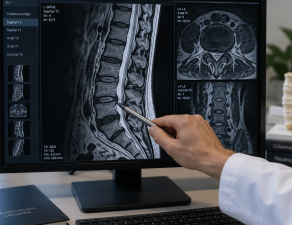
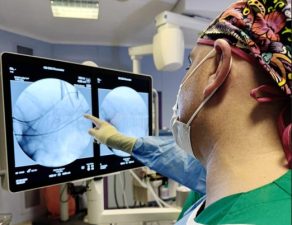
The most common causes are mechanical overload (discs/vertebrae near the fused area are overworked) and biomechanical changes (loss of movement at one level forces others to compensate). Previous degeneration (if the discs were already worn, the risk is higher) and patient factors (age, overweight, intense physical activity, or previous illnesses) also play a role. Diagnosis requires a combination of clinical examination and imaging tests. Among the most commonly used are MRI, CT, and dynamic X-rays.
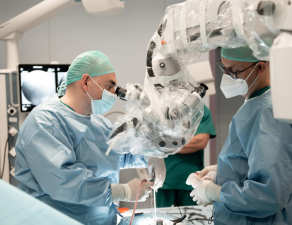
There are exceptions, but minimally invasive techniques (microsurgery) with a surgical microscope avoid these types of complications thanks to their multiple benefits. If you are looking for a neurosurgeon in SpainWith experience, innovative techniques, and exceptional human treatment, Dr. Mosqueira Clinic is your best option. If you are looking for microsurgery in Spain, that is, minimally invasive techniques to treat your hernia or stenosis, this is your place. We put all possible means at your disposal. We always like to inform our patients and friends, and also help them in any way possible. We seek the best diagnosis. If you would like information about any medical topic or need a consultation with us, do not hesitate to contact us at 951 00 66 38, we will be happy to assist you with whatever you need.