Understanding how spinal problems are diagnosed is the first step toward effective treatment. Trust and a close, personal relationship are combined with the necessary examination in the clinic to arrive at an accurate diagnosis.
Back pain, whether in the neck or lower back, is one of the most frequent reasons for seeking medical help. However, not all spinal pain has the same origin or requires the same treatment.
Therefore, diagnosing spinal problems is the first and most important step in regaining quality of life. A good diagnosis is not based solely on imaging tests, but also on... combination of medical expertise, physical examination and a close doctor-patient relationship and honest.
An incorrect or incomplete diagnosis can lead to ineffective treatments, unnecessary delays, chronic pain, and interventions that could have been avoided. Conversely, an accurate diagnosis allows for choosing the right treatment at the right time, avoiding risks and improving long-term outcomes. The importance of listening and empathizing with the patient. In the diagnosis of spinal pathologies, The medical history is fundamentalTo know when the pain started, how it evolves, what makes it worse or better, and how it affects your daily life.
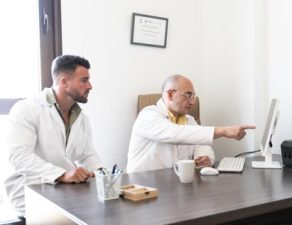
This dialogue generates something essential in medicine: confidence. Furthermore, it provides information that no technical test can replace.
Physical examination: an essential step
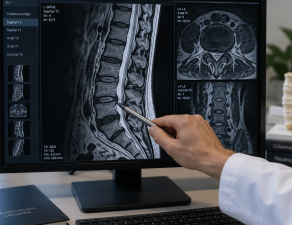
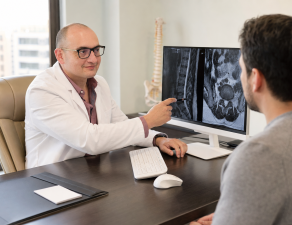
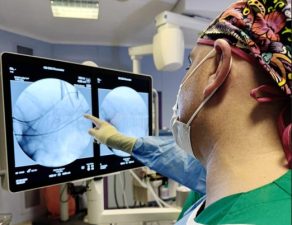
Physical examination remains a key component in diagnosing spinal problems. That's why we always tell patients that an in-person appointment is necessary so that... treat your herniated disc or spinal stenosis. Through this examination, the specialist can assess mobility, muscle strength, sensation, neurological reflexes, posture, and alignment. A careful examination allows guide the diagnosis and, along with magnetic resonance imaging, decide on their treatment or surgical selection. Terms such as disc protrusion or herniated disc They describe specific characteristics of the images and should always be interpreted in conjunction with the patient's symptoms and examination.
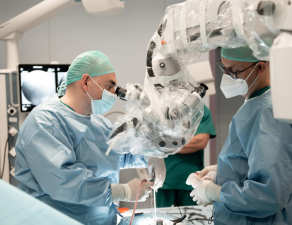
No two columns are alike, nor are any two patients. Therefore, diagnosis must be individualized, adapted to age and lifestyle, based on actual symptoms, not just images, and focused on preserving quality of life. In many cases, a good diagnosis allows for avoiding unnecessary surgeries; in others, it helps to indicate the intervention at the right time, with better results. Our interventions are then performed through minimally invasive techniques.
The reality of the clinic and the doctor
Dr. Mosqueira's Clinic is always open to help you overcome your problem and start enjoying your quality of life. Many people request a diagnosis through social media or even their mobile phones. While this is understandable given the desperation of those who can't find relief from their pain, it's a common mistake. “I would have to see you to give you a diagnosis, my friend.”.
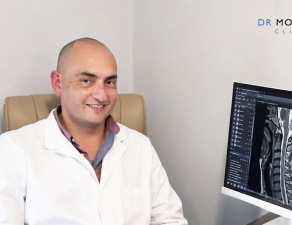
Those are the words most frequently repeated by neurosurgeon Bernardo Mosqueira when people ask him questions through those channels. When we talk about Physical exam In the medical field, four areas are understood: auscultation, percussion, inspection and palpationThese last two are the main ones in our clinic: inspection is the observation of the body, and palpation is feeling it with our own hands and directly with our fingers. It would not be, and is not, ethical to help someone through a screen.
Appropriate surgical selection
When a patient arrives at the clinic, they explain their problem in a transparent and approachable way thanks to the doctor-patient relationship that we have explained above. Recite your medical history, possible diagnoses are ruled out until the basis of the pathology is found, visualization of the magnetic resonance requested in each case, but more important is the moment when the patient undergoes the tests and personal examination by the professional (and never better said).
Here we are talking about body assessments while standing and, subsequently, while lying on the examination table. Dr. Mosqueira has always worked under this methodology, which is considered most appropriate and real to be able to help in the way more effective to the patient who tirelessly seeks a solution to a problem. And it is at that moment, based on all of this, that the neurosurgeon indicates or rules out possible surgery. Making the correct surgical selection based on the diagnosis is very important.
At Dr. Mosqueira Clinic, we make every effort to inform our patients and friends and help them in any way we can. We will assist you with the diagnosis of your spinal problems. If you would like information on any medical topic or need a consultation with us, please do not hesitate to contact us at 655 021 907 or 951 00 66 38. We will be happy to assist you with whatever you need.