Editorial Vere Álvarez N
The coronavirus crisis is forcing people to stay home except for reasons beyond their control or justified. Finding habits that promote personal well-being, being positive and supportive, and avoiding information overload are some of psychologist Estefanía Villanueva's recommendations for managing isolation and combating anxiety.
We live a unusual and historic situationWe've gone from drinking coffee at a bar or café table to having it in our living rooms. Daily routines have become disjointed. We've gone from involuntarily receiving a breath of fresh air on our faces to eagerly seeking it out on the balcony or window. Home is more home than everTasks are reduced to four walls, except for those who have to go out for work reasons where teleworking isn't possible. The company of family, for those who can enjoy it, increases in value, like owning a mask in these times. Declaring a state of emergency means we're in quarantine, that is, isolated from the rest of society, to the extent possible, as a result of COVID-19. Its purpose: limit the risk and prevent the pandemic from continuing to spread and infect the entire population.
“We know what the end is, the situation will be under control.”
Right now, we're in the so-called impact phase, where human freedoms and privileges are being limited, and it's hard to believe what's happening. Then comes the crisis phase (anger at the world and feelings of external guilt), negotiation (I'm beginning to accept the situation), depression (feeling sad, I can't take it anymore), and acceptance (which will coincide with the end of lockdown). Positivity, kindness, and solidarity are three words that take on utmost importance these days, when it seems like the ceiling is falling in on us while all we hear is negative news.
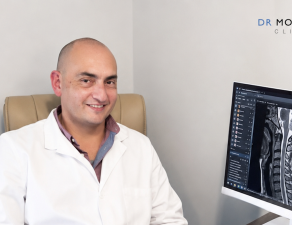
Estefanía Villanueva, psychologist at Clínica Dr. Mosqueira who collaborates with the Official College of Psychology of Eastern Andalusia on a voluntary basis, asks for calm and wants to help people deal with this situation in the best way possible. “The mind has to accept what is happening, We must embrace this sadness that encompasses us all and think that we are in a situation from which we will emerge." Villanueva expresses this by reminding us that we must seek and extract the positive from things: "We are subject to appropriate measures to avoid becoming infected or spreading the virus. We must take this as a gesture of solidarity to also help those close to us who are more vulnerable." This translates into contributing to the common good, feeling useful and valid.
Over-information generates more anxiety
Distraction is the most important and blessed blessing of living in modern times. The privilege of having the internet, social media, TV series, movies, and documentary platforms, home workouts... that is, having everything we want at our fingertips. However, its misuse, and the abundance of information from the media, has negative consequences: "The over-information we have throughout the day is inadvisable; it makes it hard to sleep and makes us manage our anxiety levels poorly." It is recommended to be informed because our mind seeks emotional stability, but only at certain times of the day., reduce it to two if possible.
“We have to raise our awareness to receive adequate information at specific times of the day, Avoid hoaxes and news that come through WhatsApp groups", clarifies Villanueva. Without leaving out Humor is essential, as it creates moments of relief that replace feelings of sadness.If anxiety levels, although normal, increase, become excessively severe, she advises you to contact your doctor and not resort to self-medication.
Fear protects us
Each person's personal experience, temperament, and personality will lead them to experience this health crisis differently. "We shouldn't be afraid of fear; sometimes it protects us," says the psychologist. It's unknown how long this lockdown will last and what exactly will happen next. Estefanía explains that it won't last more than two months, and the people who may suffer consequences will be the most vulnerable: "For those of us who don't have any difficulties and no deceased person close to us is going to be just another part of life, a simple bump in the road.The problem is when you lose a family member and you can't say goodbye, you're going to carry that with you."
Personalized habits
General guidelines are not recommended. Each person must decide what their most important habits are when it comes to generating well-being at home.Villanueva explains that this doesn't mean yoga for everyone or exercises for everyone, but rather doing tasks that are useful and serve as entertainment during confinement. "Anything that makes us feel good without entering a totally apathetic phase means I'm doing well. It's true that You have to have a certain order, it is advisable but not essential to repeat the same routines every day", clarifies the expert in psychological issues.
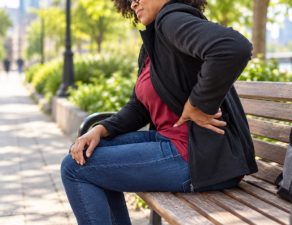
For some people, stretching (Pilates, yoga, or relaxation techniques) is essential in their daily routine to relieve back pain. As general recommendations, Estefanía advises going to bed when we experience the first symptoms, since high levels of anxiety make us feel better. Not sleeping well, leading to insomnia. “At that point, we shouldn't get up, as we would enter an activation phase.”“You just have to find a distraction to try to get back to sleep,” he adds.
Together we can #stayathome
It's time to be patient and prudent, responding to the preventive measures imposed to end this pandemic. Dr. Mosqueira Clinic, as always, is fully available to help with psychological issues. Without a doubt, we will remember this nightmare forever; it will be discussed on terraces, bars, cafes, and all kinds of public places. "It won't be considered pathological; there is no scientific evidence or experience to support the psychological consequences," the specialist assures. The lockdown will be seen as a battle won. We will defeat the virus together. Table, tablecloth, and coffee, with those we love most, but of course, now outside, while the sun and air caress us, back in the cafeteria...